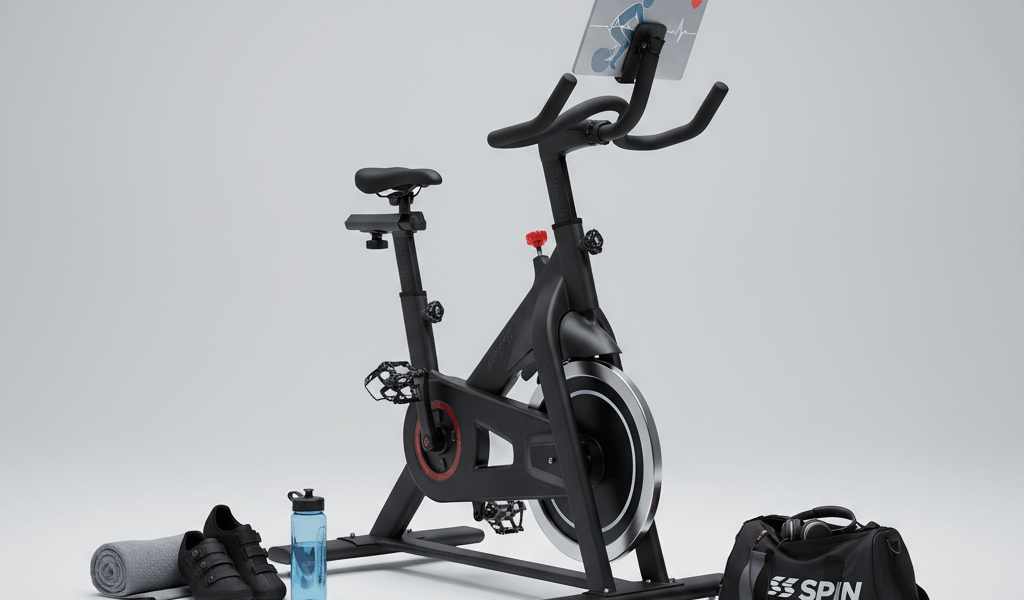
Why Cadence Matters in Spin Class
As someone who used to just pedal randomly at whatever speed felt okay, understanding cadence completely changed how I train. I learned everything about RPM the hard way – grinding too slow and hurting my knees, spinning too fast and getting zero benefit. Cadence, measured in revolutions per minute, is honestly one of the most important metrics to pay attention to during indoor cycling.
What Is the Right Cadence
Most instructors recommend staying between 60-110 RPM depending on what you’re simulating. Flat road work typically calls for 80-100 RPM. Climbs drop to 60-80 RPM with higher resistance to mimic the slower grinding effort of going uphill.
Why It Matters
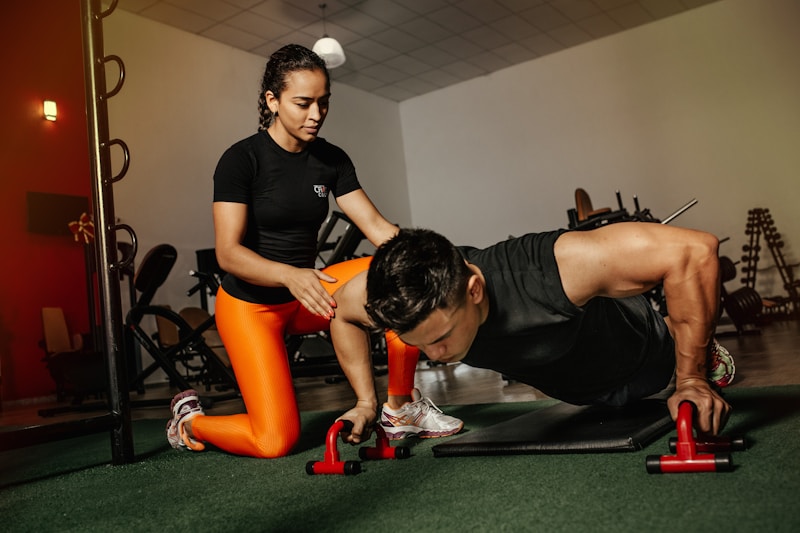
Pedaling too slowly with heavy resistance stresses your joints – your knees especially take a beating. Spinning too fast with no resistance wastes energy and provides minimal training benefit since there’s nothing to push against. Finding the sweet spot maximizes both cardiovascular development and muscular conditioning.
Building Awareness
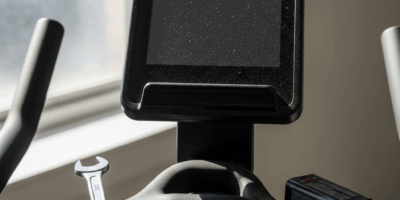
Many modern spin bikes display cadence on the console. If yours doesn’t, count your pedal strokes for 15 seconds and multiply by four. Practice until maintaining target cadences becomes second nature and you don’t have to constantly check the screen.
Cadence Drills
Incorporate specific cadence drills into your training. Alternate between high-cadence intervals at low resistance and low-cadence climbs at high resistance. This variety improves your pedaling efficiency and overall power output across different riding situations.
Mastering cadence control separates casual riders from serious cyclists who actually get results from their time on the bike.

Leave a Reply