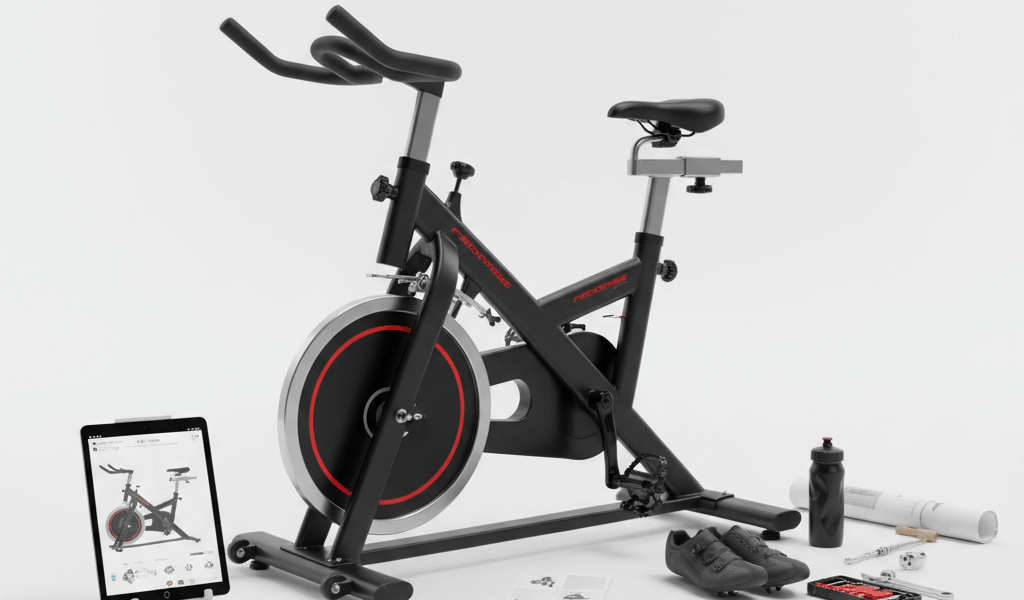
Building Endurance Through Spin Training
As someone who could barely finish a 30-minute class when I started, I can tell you that building endurance is absolutely possible with the right approach. I learned everything about stamina development through months of consistent training and plenty of mistakes. Indoor cycling is hands down one of the most effective ways to build cardiovascular endurance if you approach it correctly.

Understanding Endurance Training Zones
Endurance building happens primarily in Zone 2, where you work at 60-70% of your maximum heart rate. At this intensity, you can hold a conversation while pedaling – not comfortably, but possible. This zone trains your body to efficiently use fat as fuel and strengthens your aerobic engine in ways that harder efforts simply cannot.
The Long Steady Ride
Dedicate one workout per week to a longer, moderate-intensity session. Aim for 45-60 minutes at a sustainable pace where you feel challenged but not absolutely wrecked. These rides build the mitochondrial density that powers endurance performance. They feel boring compared to interval classes but the adaptations are irreplaceable.
Progressive Overload
Gradually increase your training volume week over week. If you currently ride three times per week for 30 minutes each, add 5-10 minutes to one session every week or two. Avoid the temptation to jump to longer durations too quickly – that path leads straight to overuse injury.
Interval Training for Endurance
While steady-state rides form the foundation, tempo intervals accelerate endurance gains. Try 4-5 intervals of 4-6 minutes at moderately hard effort with 2-3 minutes of easy spinning between each. This pushes your lactate threshold higher, allowing you to sustain faster paces before things start falling apart.
Recovery Is Part of Training
Your endurance actually improves during rest, not during the workout itself. Training creates stress; recovery allows adaptation. Include at least two rest or active recovery days per week to let your body rebuild stronger. Skipping recovery is not dedication – it’s sabotage.
Nutrition for Endurance
For sessions longer than 60 minutes, fuel during your ride with simple carbohydrates like sports drinks, gels, or dates. Post-workout, consume a mix of protein and carbs within 30 minutes to kickstart recovery and replenish glycogen stores.
Tracking Progress
Monitor your average output or heart rate at similar efforts over time. As your endurance improves, you’ll notice you can produce more power at the same heart rate, or the same effort feels noticeably easier. This tangible progress keeps you motivated for the long journey ahead.
Building endurance is a patient process that rewards consistency over intensity. Trust the work, stay consistent, and your body will reward you with capabilities you never thought possible.

Leave a Reply