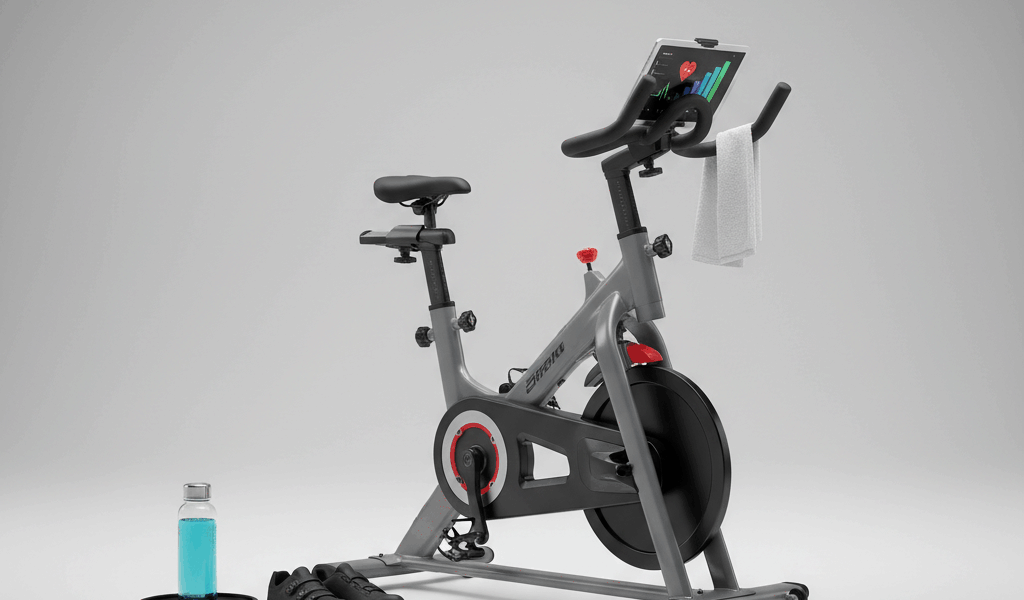
Hydration Strategies for Intense Spin Workouts
As someone who has bonked more times than I’d like to admit from poor hydration, I can tell you this is one area you really don’t want to learn the hard way. I learned everything about proper fluid intake after a particularly brutal class where I thought I was having a cardiac event but really was just severely dehydrated. Proper hydration makes or breaks your spin performance.

Before Class
Start hydrating 2-3 hours before your workout by drinking 16-20 ounces of water. This gives your body time to absorb the fluid properly and eliminates the need to chug right before pedaling, which causes stomach discomfort and that sloshy feeling nobody wants.
Check your urine color as a hydration indicator before heading to class. Pale yellow means you’re good to go. Dark yellow signals you need more fluids before you start sweating.
During Class
Aim to drink 4-8 ounces every 15-20 minutes during your workout. This replaces fluid lost through sweat and maintains blood volume for optimal cardiovascular function. Smaller, more frequent sips work way better than large gulps that can cause cramping.
For sessions under 60 minutes, plain water does the job. For longer or more intense rides, consider an electrolyte drink to replace sodium, potassium, and magnesium pouring out in your sweat.
Signs of Dehydration
Watch for warning signs during your ride. Dizziness, excessive fatigue that goes beyond normal workout tiredness, muscle cramps, and decreased performance all indicate you may be dehydrated. If you notice these symptoms, dial back the intensity and focus on getting fluids in.

After Class
Rehydration continues post-workout. Weigh yourself before and after class if you really want to dial this in. For every pound lost, drink 16-24 ounces of fluid. Include foods with high water content like fruits and vegetables in your recovery meal.
Electrolyte Considerations
Heavy sweaters and folks who train in hot studios need to pay special attention to electrolyte replacement. Adding a pinch of salt to your post-workout meal or using electrolyte tablets can prevent hyponatremia and speed up recovery.
Individual Variation
Sweat rates vary dramatically between people. Some folks lose a liter per hour while others lose way less. Experiment during training to find your personal hydration sweet spot rather than blindly following generic recommendations that might not fit your body.
Consistent hydration habits compound over time, supporting better workouts and faster recovery every single day you show up.

Leave a Reply