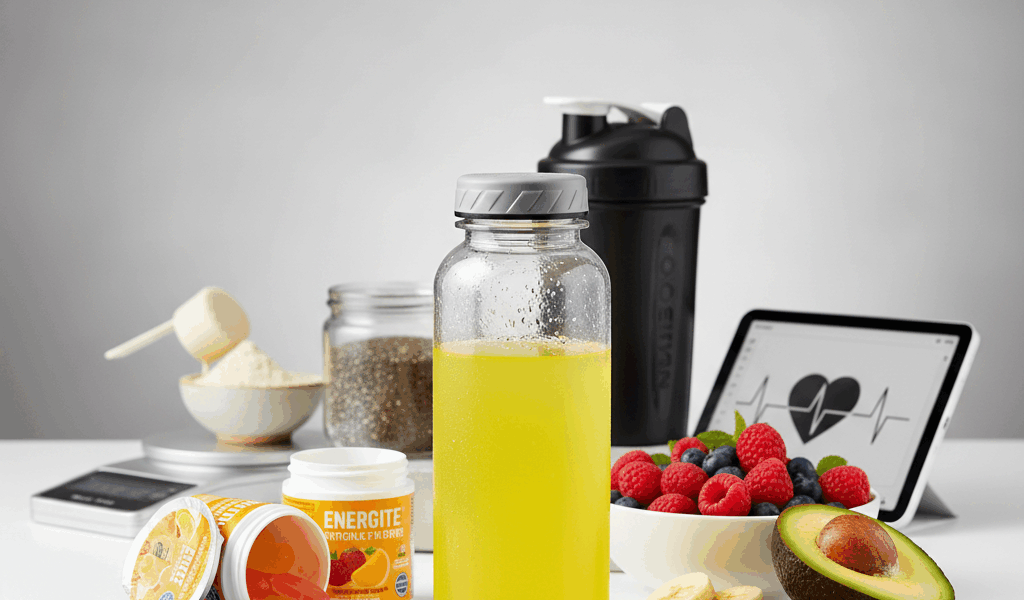
Nutrition Strategies to Fuel Your Spin Training for Maximum Results
As someone who has spent years figuring out what actually works for spin class nutrition, I can tell you the difference between eating right and winging it is night and day. I learned everything the hard way – bonking mid-climb because I skipped breakfast, feeling nauseous from eating a burrito too close to class, you name it.

Understanding Energy Systems
Here is the deal with fuel: your body runs on two main sources during spin class. Carbs stored as glycogen power those brutal sprint intervals and steep climbs. When you drop into lower intensity segments, fat takes over as the primary fuel. Knowing this changed how I think about meal planning entirely.
What you want is enough glycogen for the hard stuff while training your system to burn fat efficiently during easier segments. That’s what makes the difference between crushing a workout and dragging yourself through it.
Pre-Workout Nutrition
Timing here matters way more than most people realize. Eat a massive meal right before class and you’ll feel like a sloshy mess. Skip eating entirely and you might run out of gas halfway through the ride.
2-3 Hours Before: This is the sweet spot for a real meal. I usually go with oatmeal topped with banana and almond butter, or sometimes a turkey sandwich on whole grain bread. Complex carbs, moderate protein, keep the fat low.
30-60 Minutes Before: If you need something closer to class time, stick with quick-digesting carbs. Half a banana, toast with honey, or a handful of dates. These give you energy without sitting heavy in your stomach.
Early Morning Classes: I know the struggle of 5:30 AM sessions. A small snack like half a banana beats riding completely empty. Some folks swear by fasted training for easier rides, but high-intensity classes on an empty stomach usually means hitting the wall hard.
Hydration Strategy
Start hydrating hours before you even think about clipping in. Drink 16-20 ounces of water 2-3 hours out. Another 8 ounces in the hour before class. Quick tip: check your urine color. Pale yellow means you’re good. Dark yellow means drink up.
During class, aim for 4-8 ounces every 15-20 minutes. For those longer sessions over an hour or in studios that feel like saunas, throw some electrolytes in there – sports drinks or tablets work great.

During Workout Nutrition
For standard 45-minute classes with proper pre-workout eating, water alone does the job. Your glycogen stores can handle that duration no problem.
Back-to-back classes or longer sessions change the equation. Consider taking in 30-60 grams of carbs per hour through sports drinks, gels, or natural options like dates and honey. And here’s the thing – start fueling before you feel depleted. Once your glycogen tanks, performance drops off a cliff.
Post-Workout Recovery Nutrition
That 30-60 minute window after your workout is prime time for recovery. Your muscles are basically sponges ready to absorb nutrients and start the repair process.
Protein: Shoot for 20-30 grams of quality protein to support muscle repair. Greek yogurt, eggs, chicken, fish, or a protein shake all do the trick.
Carbohydrates: Replenish those glycogen stores with 40-60 grams of carbs. The 3:1 or 4:1 carb-to-protein ratio is what most endurance athletes target. Fruit, rice, potatoes, or bread paired with your protein source works perfectly.
Quick Options: Chocolate milk is honestly one of the best recovery drinks – perfect carb-to-protein ratio and tastes good. A smoothie with banana, berries, protein powder, and milk covers all bases. Even a peanut butter and banana sandwich gets the job done.
Daily Nutrition Foundations
What you eat day-to-day matters just as much as workout-specific nutrition. Build a foundation of real, whole foods.
Carbohydrates: If you’re spinning regularly, carbs are your friend – ignore the low-carb hype. Whole grains, fruits, vegetables, and legumes should be the backbone of what you eat. Cutting carbs while training hard leads nowhere good.
Protein: Aim for 0.7-1 gram per pound of body weight daily. Spread it across meals rather than cramming it all into one sitting.
Fats: Include healthy fats from avocados, nuts, olive oil, and fatty fish. These support hormone production and help your body absorb certain vitamins.
Vegetables: Load up on colorful veggies for micronutrients and antioxidants that support recovery and keep your immune system strong.
Common Nutrition Mistakes
Under-fueling: This one gets so many people. Constantly restricting calories while training hard impairs adaptation, weakens immunity, and leads straight to burnout. Train hard, eat adequately.
Ignoring Protein: Too many recreational athletes skip post-workout protein and miss that optimal recovery window. Make it automatic, not optional.
Overcomplicating: You really don’t need expensive supplements or exotic superfoods. Whole foods, smart timing, and enough calories handle 95% of what your body needs.
Putting It All Together
Start simple – establish consistent meal timing around your workouts. Pay attention to how different foods affect how you feel and perform. Nutrition is highly individual; what works for your cycling buddy might not work for you.
The investment in proper nutrition pays off in energy, performance, recovery, and long-term health. Treat food as fuel and a partner to your training, not something you deal with after the fact.


Leave a Reply