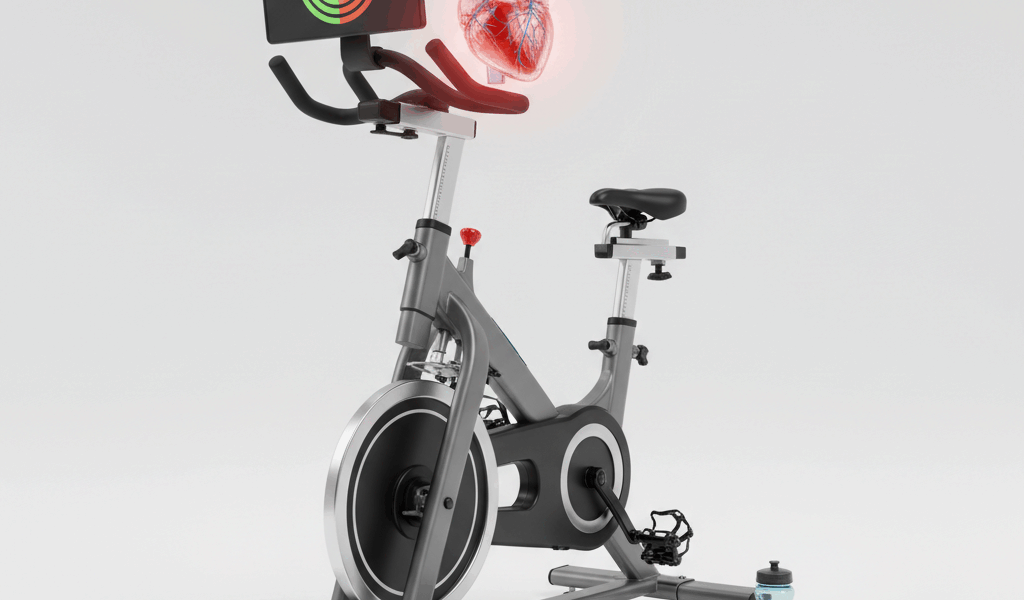
Recovery Techniques Every Indoor Cyclist Should Know
As someone who used to just stumble off the bike and call it a day, I can tell you that ignoring recovery was my biggest early mistake. What happens between spin classes matters just as much as the classes themselves. I learned everything about proper recovery after dealing with persistent soreness that wouldn’t go away and performance plateaus that frustrated me for months.
Foam Rolling
Spend 10-15 minutes foam rolling after your cool down becomes a game changer. Focus on your quadriceps, IT band, calves, and glutes. Roll slowly over tight areas, pausing on tender spots for 20-30 seconds until you feel the tension release. This self-myofascial release improves blood flow and breaks up muscle adhesions that accumulate from repeated cycling motions.
Active Recovery
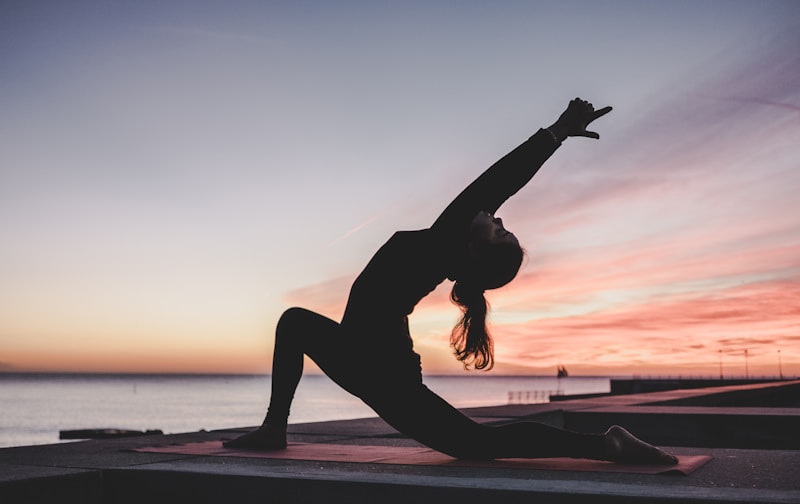
On rest days, light movement beats sitting on the couch completely. A 20-minute easy spin at minimal resistance, a walk around the neighborhood, or gentle yoga promotes blood circulation that delivers nutrients to healing muscles. Keep the intensity super low – around 50% of your normal effort. If you’re breathing hard, you’re missing the point.
Sleep Quality
Growth hormone, the stuff essential for muscle repair, releases primarily during deep sleep. Aim for 7-9 hours per night and maintain consistent sleep and wake times even on weekends. Avoid screens for an hour before bed and keep your room cool and dark. This single change made a bigger difference in my recovery than any supplement ever did.
Nutrition Timing
Get protein and carbohydrates in within 30-60 minutes post-workout when your muscles are primed to absorb nutrients. A ratio of 3:1 or 4:1 carbs to protein works well for most people. Greek yogurt with fruit, chocolate milk, or a protein smoothie are convenient options that cover the basics.
Compression and Elevation
Compression socks or tights support venous return and may reduce muscle soreness – research is mixed but plenty of athletes swear by them. Elevating your legs against a wall for 10-15 minutes after a hard session helps fluid drain from your lower limbs and provides passive recovery. It feels weird the first time but oddly refreshing.
Cold and Heat Therapy
Cold exposure through cold showers or ice baths may reduce inflammation and soreness. Heat through warm baths or heating pads relaxes tight muscles and increases blood flow. Many athletes alternate between cold and heat for contrast therapy. Experiment to see what your body responds to best.
Stress Management
Mental stress impairs physical recovery – your body doesn’t distinguish between work deadlines and training stress. Incorporate relaxation practices like deep breathing, meditation, or simply unplugging from screens and notifications. Your nervous system needs to shift from fight-or-flight mode to rest-and-digest mode to recover optimally.
Listen to Your Body
Persistent fatigue, elevated resting heart rate, declining performance, or soreness that won’t quit are signs you need additional recovery time. Taking an extra rest day beats pushing through and risking overtraining or injury. Your body knows things before your mind catches on.
Make recovery a non-negotiable part of your training program, not an afterthought you get to if you have time.


Leave a Reply